Disinfection and Sanitisation in Kilo 14

Disinfection and Sanitisation Company in Kilo 14, Jeddah

Al-Ghadeer Al-Lamea provides disinfection and sanitisation in Kilo 14, Jeddah. Kilo 14 is an industrial area on the Old Makkah Road with planned chaos: car repair shops and parts dealers in a newer complex below a dense informal settlement of migrant labourers on unplanned streets. Contaminants here are heavy and varied: thick oils and grease from the workshops below, decomposing fish and vegetables plus mould from the daily street market.

  • A full team, not one person
  • Price agreed before we start
  • Foggers and products we bring
  • You see the result before we leave

What changes about disinfection and sanitisation in Kilo 14?

Floors are raw cement and cheap ceramic blackened by oil and soot. Walls absorb fish and grease odour deeply. Curtains and fabrics hold a very strong mould smell that lingers for weeks. For the method itself, see what disinfection and sanitisation involves.

  • The first reason

    Heavy oils and grease from workshop machinery and engines

    Kilo 14 is surrounded by car repair bays, engine workshops and electrical generators. Heavy oils drip and spread across floors and surfaces. This oil layer is very thick and completely blocks disinfectant penetration. Oil cleaning alone may need separate chemicals before any disinfection can begin.

  • The second reason

    Fish waste, vegetable scraps and rapid mould from the daily market

    The market sells fish and vegetables daily, waste drops onto streets and contaminated water spreads everywhere. Moisture and bacteria from fish penetrate walls and surfaces deeply. Odour becomes ingrained and mould forms very rapidly in this environment.

  • The third reason

    High density housing with tight corridors and stale air

    Informal settlement housing is extremely dense with narrow corridors and very poor air flow. Ventilation is very poor and moisture stays trapped. Bacteria from one source spreads through the whole area quickly. Disinfecting a single home offers limited protection because recontamination comes from street and neighbours constantly.

What does disinfection and sanitisation cover in Kilo 14?

Kilo 14 sits at the far southeastern corner of Jeddah on the Old Makkah Road near the Jeddah Makkah Expressway. The area is an industrial complex surrounded by informal housing. Contaminants from industry are heavy and fish-based moisture stays trapped.

  • Cleaning before disinfecting

    Cleaning before disinfecting

    Surfaces in Kilo 14 are coated in oils and heavy grease. We clean with cloths and strong cleanser, possibly multiple cloths, then dry completely before disinfection.

  • The surfaces hands touch most

    The surfaces hands touch most

    Taps and handles carry black oil and mould. We clean with a stiff brush and strong cleanser first, then weak vinegar, then disinfect.

  • Bathroom taps and handles

    Bathroom taps and handles

    Bathrooms carry very strong mould from moisture and contaminants. We clean drains and taps very thoroughly, then disinfect, then run extract fans for two hours.

  • Kitchen and food surfaces

    Kitchen and food surfaces

    Kitchen surfaces hold grease and fish residue. We clean with strong cleanser and hot water then vinegar solution, then disinfect and wait longer.

  • Drains and grout lines

    Drains and grout lines

    Drains and grout lines trap mould and oils. We scrub hard with a stiff brush and strong cleanser first, then weak vinegar, then disinfect and wait a very long time.

  • Contact time, then ventilation

    Contact time, then ventilation

    Dense housing and stale air make ventilation difficult. After disinfection we open all windows, run kitchen and bathroom fans for two hours, and leave doors and windows open until odour clears completely.

Not included

  • Deep cleaning of heavy grease, clutter or built-up stains, a separate service
  • Mould remediation inside walls, ceilings or plumbing
  • Pest treatment, a different service with different materials
  • Medical-grade sterilisation of instruments or equipment

How disinfection is actually done

  1. 1

    We ask what happened, then plan for it

    A move-in, an illness and an after-party aren't the same job.

  2. 2

    Clean the surface before disinfecting

    Grime and grease shield what's under them.

  3. 3

    Contact time, not just a wipe

    A disinfectant has to stay wet on the surface to work.

  4. 4

    High-touch points by hand

    Handles, switches, taps and rails are done by hand because they carry the most and need direct contact that fogging alone doesn't give.

  5. 5

    Fog the air and soft furnishings

    Once the hard surfaces are done, a fine fog reaches the air, the fabrics and the corners a cloth can't, settling over what hand-wiping misses.

  6. 6

    Ventilate, then walk it with you

    We open up and air the rooms, then walk the home with you before leaving.

The character of Kilo 14

Industrial area: workshops, warehouses and loading yards

Industrial zoning means heavy machinery oils, grease and workshop sludge. The market adds daily fish waste and rapid bacterial growth. One disinfection may not be enough if heavy contaminants are deep. Second or third treatments may be needed weeks later because pollution returns constantly from street and shared neighbours.

Why us for this service in particular

Clean first, then disinfect

The common mistake is spraying disinfectant over dirt.
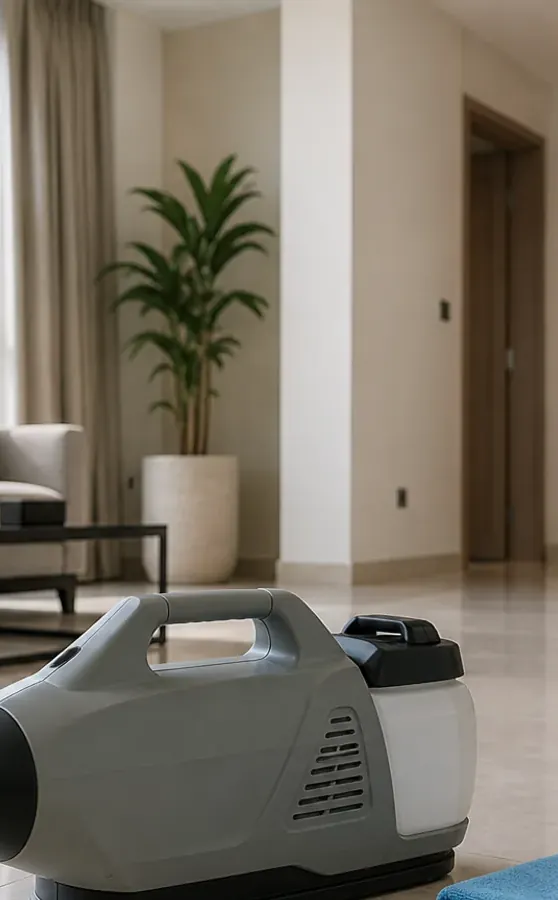
A full team arrives together

The company runs a large crew, and we send a team rather than one person.

We say no when it's no

If what you need is deep cleaning or mould work rather than disinfection, we tell you.

From our work

Photographs from real jobs carried out by the crew.
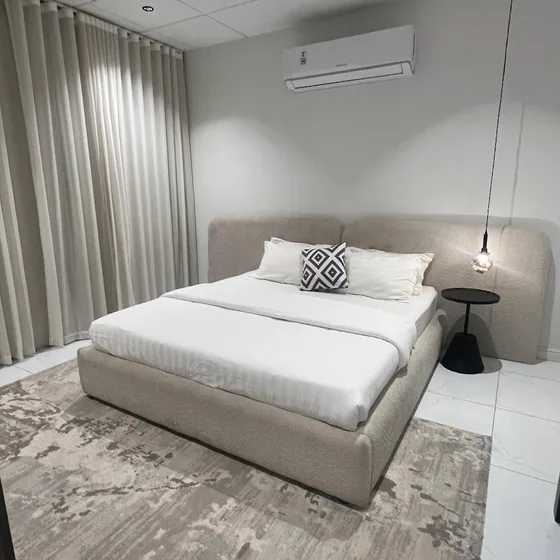
A bedroom after a full clean
Bedroom at handover
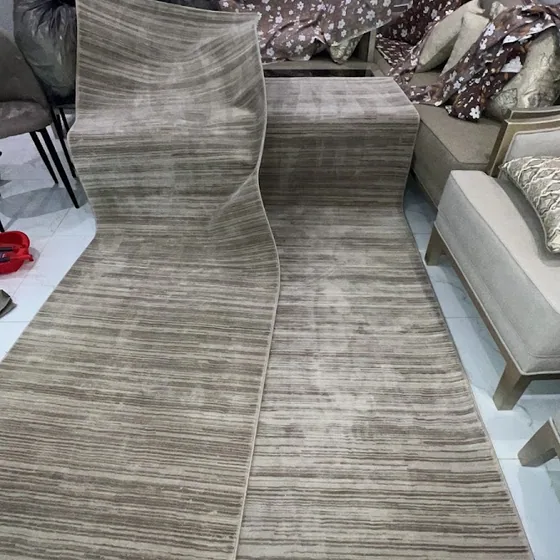
Majlis carpet after washing
Majlis after washing
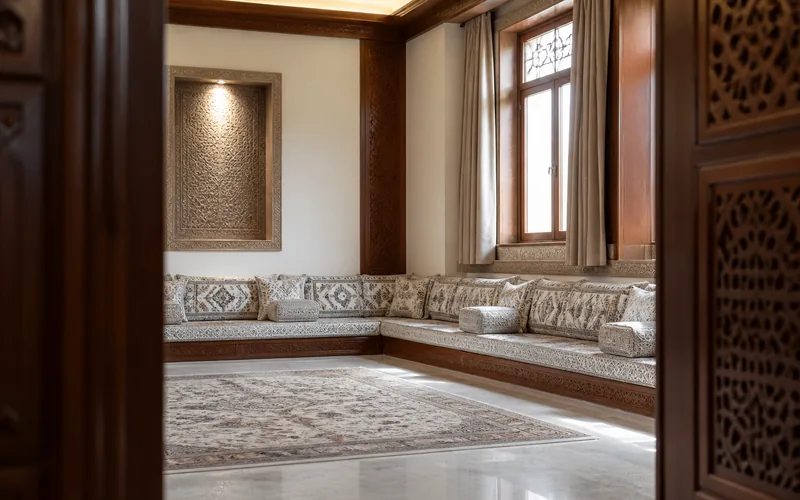
A majlis after a full clean
Majlis after cleaning
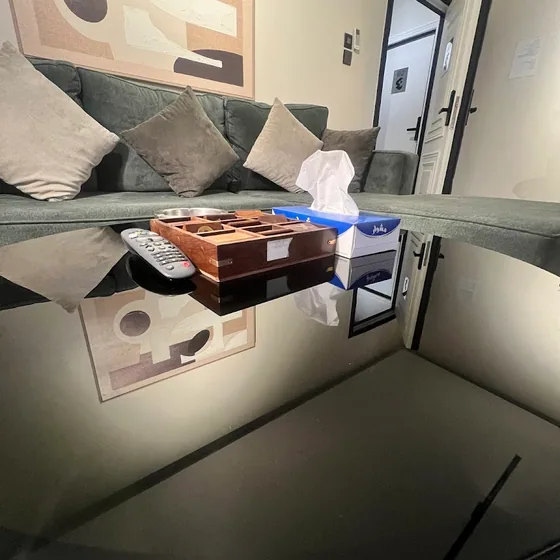
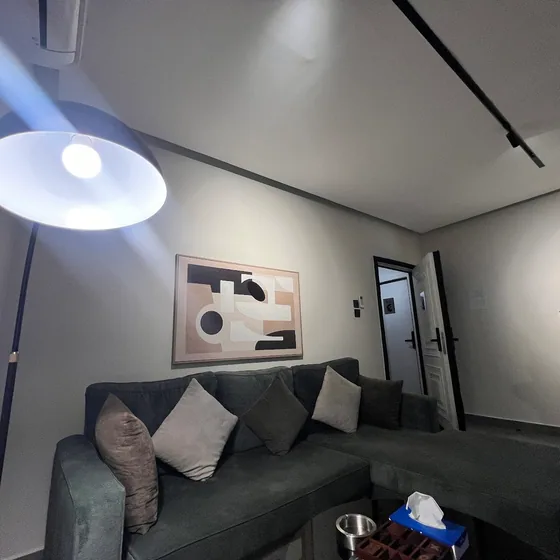
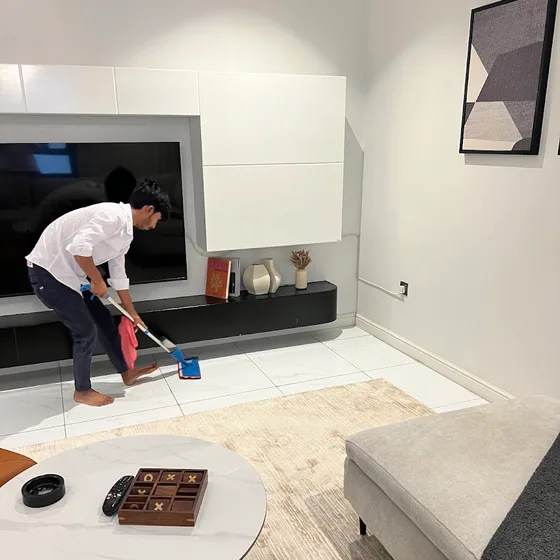
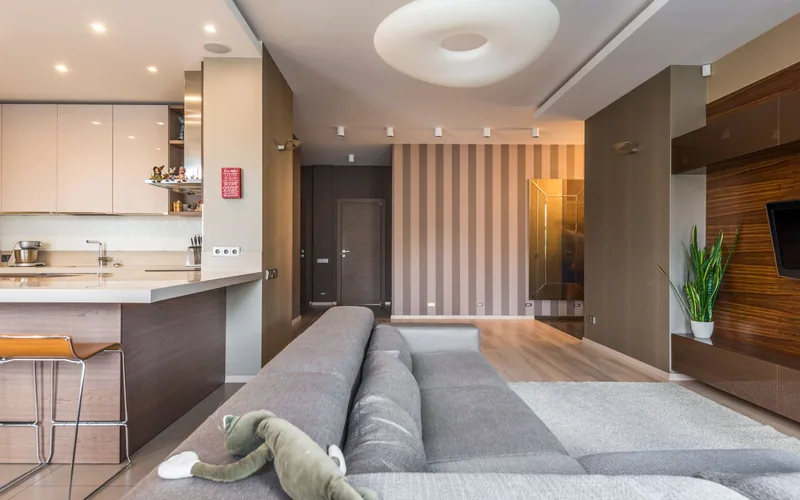
A living room after cleaning
Living room after cleaning
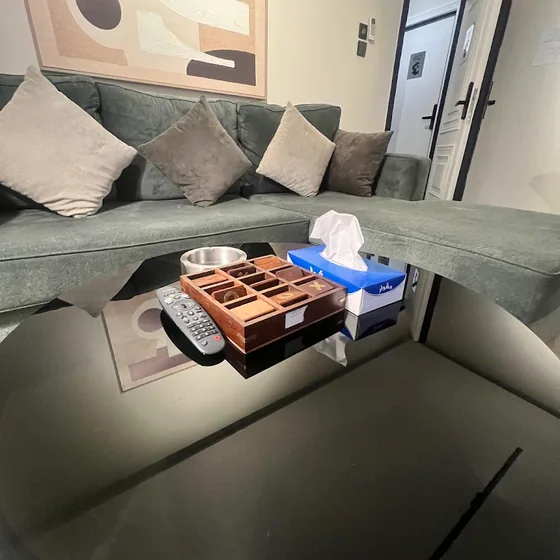
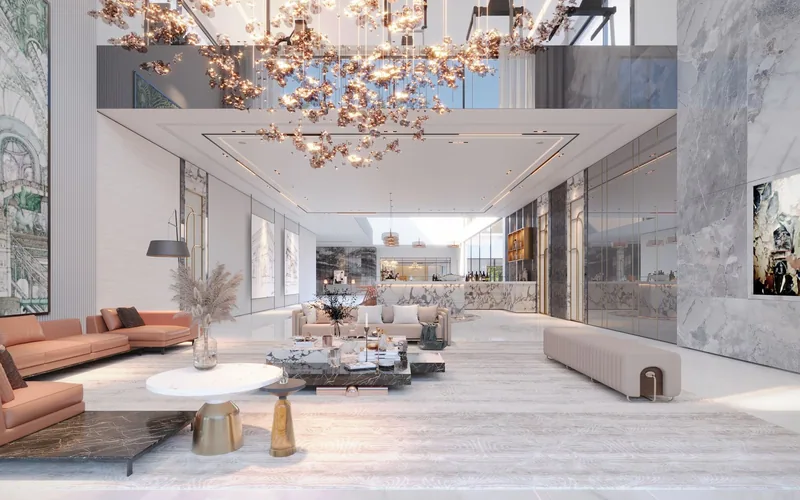
A sitting room after cleaning
Sitting room
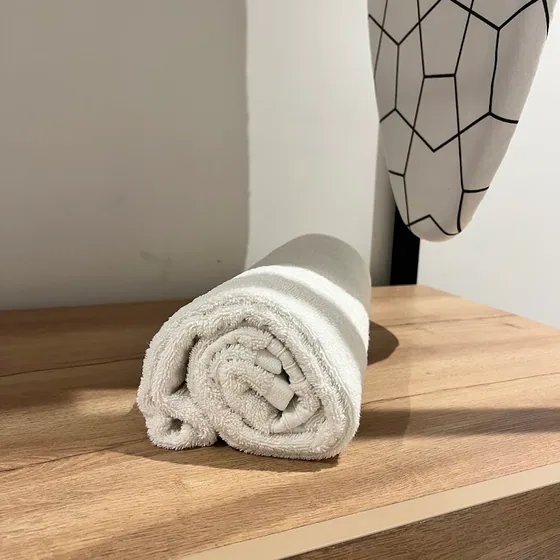
A folded towel on a table
The small details
A tidy bedroom after service
Bedroom made up
Mopping a marble floor during work
Marble floors
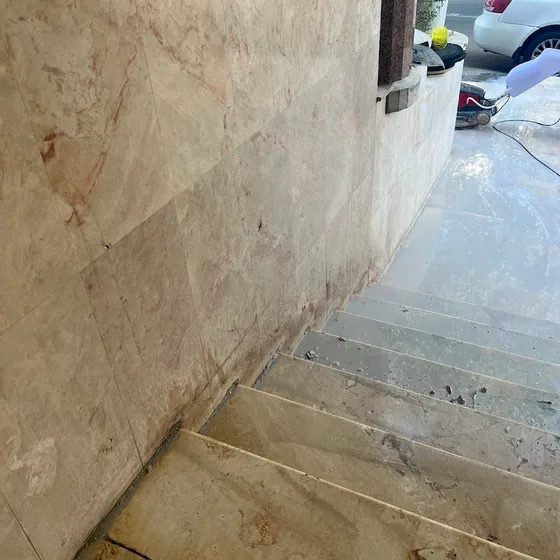
Washing a stone entrance
Exterior entrances
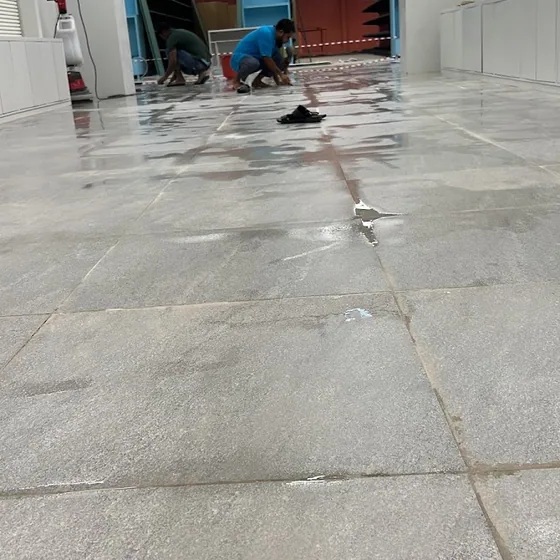
Cleaning a commercial floor
Commercial floor
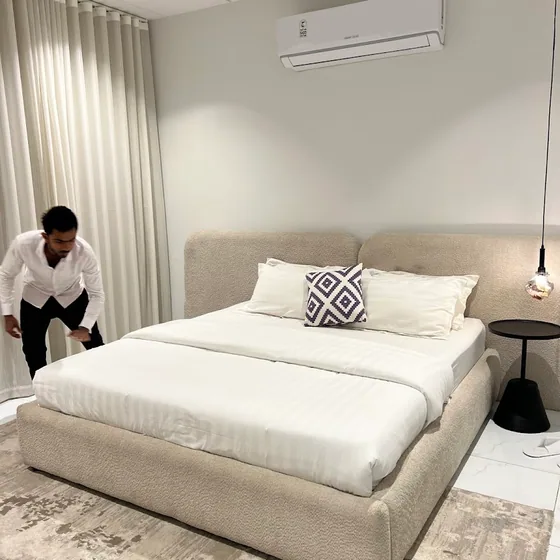
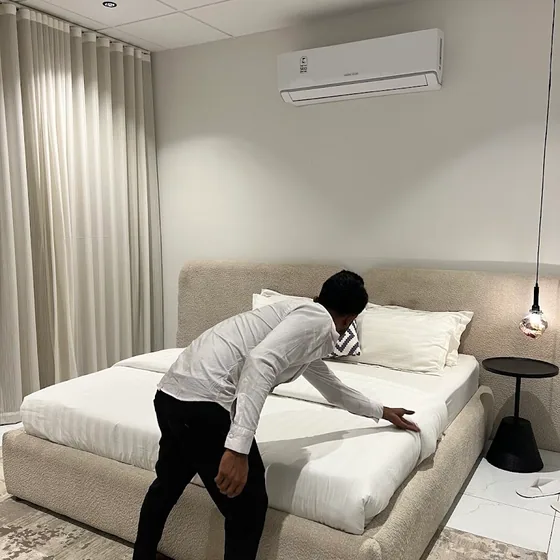
Making the bed during work
Bed made
A jacuzzi after descaling
Jacuzzi after cleaning

The job isn't closed until you approve it

The commitment is simple enough to actually keep: we don't leave until you've seen the result and had your say on it.

What is different about South Jeddah

South Jeddah runs from the port and the industrial city down towards Al Khumrah, and homes here sit between the sea and the heavy goods roads. The dust is darker and oilier than in the north, a mix of diesel soot and workshop grit, and it clings to net curtains, window sills and the tops of kitchen cupboards. Floors in the older low rise housing are often plain cement or ceramic tile that darkens where soot is walked in. Humidity from the coast adds mildew in bathrooms and a musty smell in stored fabrics.

Questions about disinfection and sanitisation in Kilo 14

Do heavy workshop oils prevent disinfectant from working at all?

Completely. Oil is a very thick layer that disinfectant cannot penetrate. We clean oils away first with special tools and cloths, possibly with a strong cleaner, then dry thoroughly, then disinfect.

How do we handle the deep fish smell and mould odour in homes here?

Odour is trapped in walls and textiles. We clean all surfaces deeply first, then disinfect, but deep smell may remain faint. Very extended ventilation is essential and a second treatment may be needed after a week.

Does disinfecting the home protect from pollution rising from street and neighbours?

Not really. Kilo 14 is a dense industrial area. Bacteria returns from the street and neighbours very quickly. Disinfection needs much more frequent repetition than ordinary districts.

How often should a home in Kilo 14 be truly disinfected yearly?

At least four times: after wind season, before summer, before winter, and once mid-year. The industrial setting and dense housing mean bacteria returns very rapidly.

Do curtains and fabrics need separate washing before home disinfection?

Yes, absolutely. Curtains absorb fish and oil odours. Wash them in hot water and strong soap first, then disinfect them in place after drying. They may need more than one treatment.

Are drains in Kilo 14 carrying much more bacteria and mould?

Yes, much more. Wastewater from workshops and the market is extremely contaminated. Drains carry deep mould and resistant bacteria. Drain cleaning needs strong chemicals and very extended disinfection.

Does the disinfectant leave residue on surfaces children touch?

Surfaces that food touches are rinsed after the contact time, so nothing is left sitting on them. Elsewhere the products are safe once dry, not while wet, so we ask that children and pets stay out of a room until it's dry and aired. If anyone in the home has a sensitivity, tell us in advance so we choose the product around it.

Can you disinfect after someone has been ill?

Yes, and it's one of the more common reasons people call. We focus on the high-touch points and shared surfaces where illness lingers, clean them first, then treat with contact time. Tell us which rooms the person used most so we concentrate there.

How much does disinfection and sanitisation in Kilo 14 cost?

We do not quote a figure before seeing the job: the cost follows the area, the materials and their condition. Photograph the place in Kilo 14 and send it on WhatsApp for an estimate.

Other services in Kilo 14

Besides this service we come to Kilo 14 for these too, combined into one visit if you like.
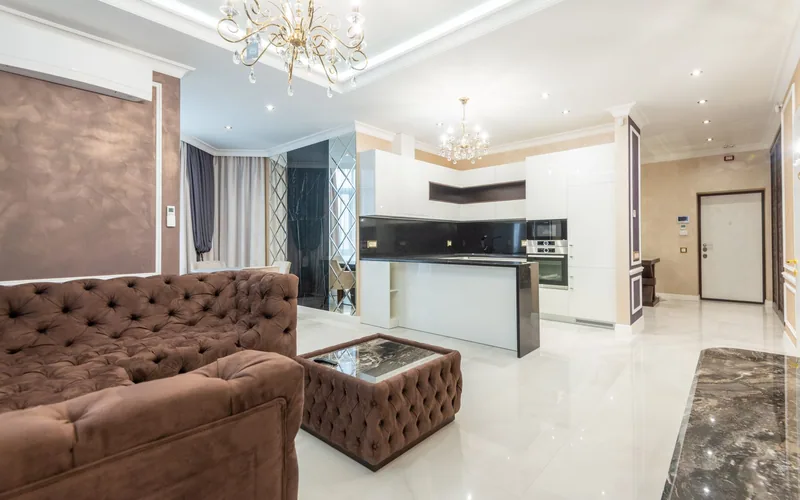
Disinfection and Sanitisation in districts near Kilo 14

Need disinfection and sanitisation in Kilo 14?

Send photos of your place in Kilo 14, and we give you the cost and agree a time before we start.

Call WhatsApp